Places to Visit in Dubai
Dubai neighbourhoods at a glance
Home › Dubai Attractions
Landmarks to see in Dubai
Dubai attractions are made for looking: a record-breaking tower, a picture frame 150 metres tall, a museum covered in calligraphy, a mosque you can enter and a garden of flowers in the desert. Here is what to see, and what to check before you go.
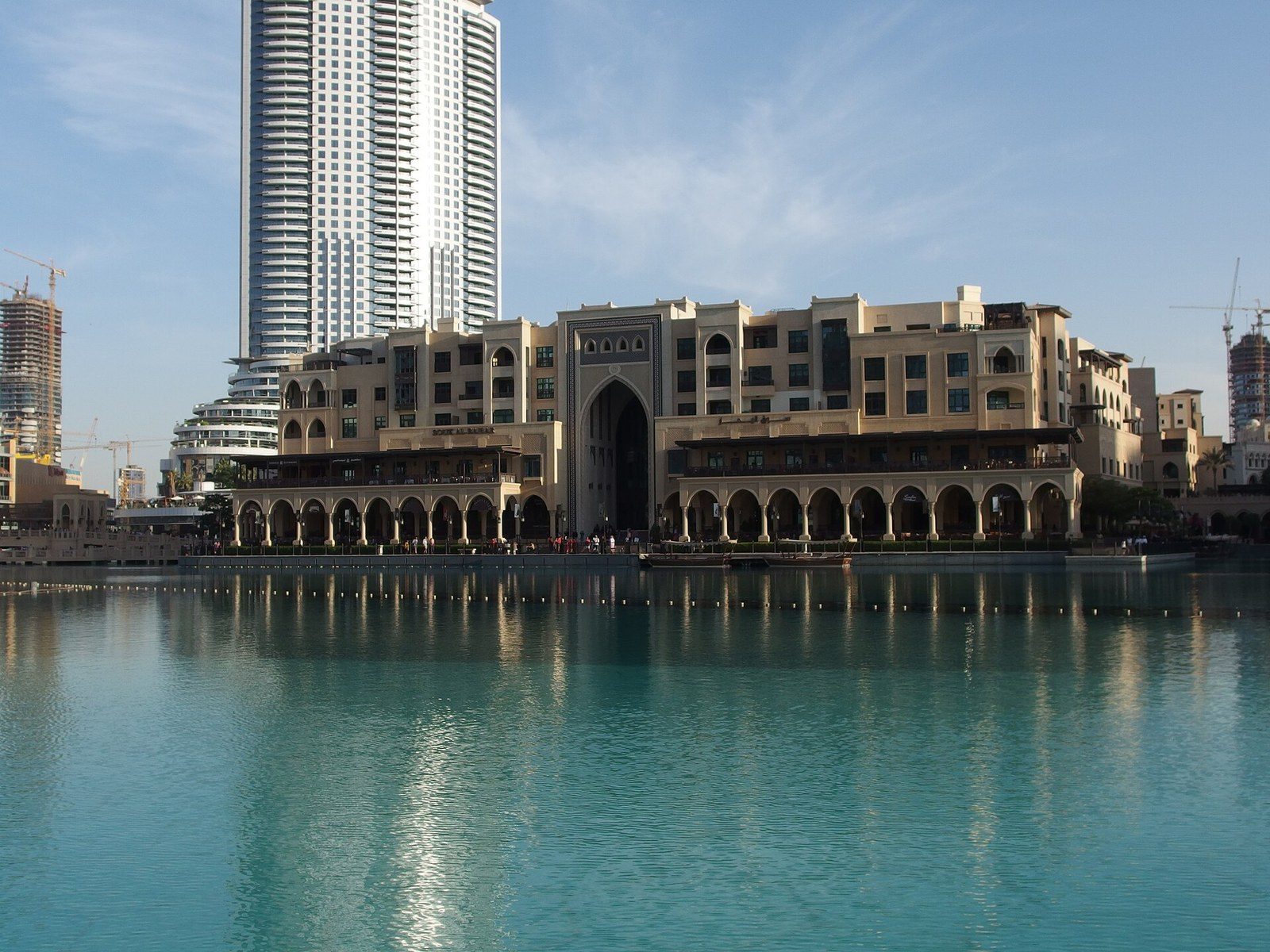
Among all Dubai attractions, three modern landmarks deserve a close look. The Burj Khalifa in Downtown rises 828 metres and became the tallest building on earth when it opened in January 2010; even from the ground, its scale is hard to take in. Film fans may recognise its glass façade from Mission: Impossible – Ghost Protocol (2011), in which Tom Cruise appears to climb the outside of the tower; in reality he was secured to the building by several cables.
The Dubai Frame in Zabeel Park is a giant picture frame about 150 metres tall. From the glass-floored bridge at the top, the historic districts lie to the north and the new towers to the south. Inside, one gallery traces the city's growth from a fishing village, while another imagines Dubai in 2050.
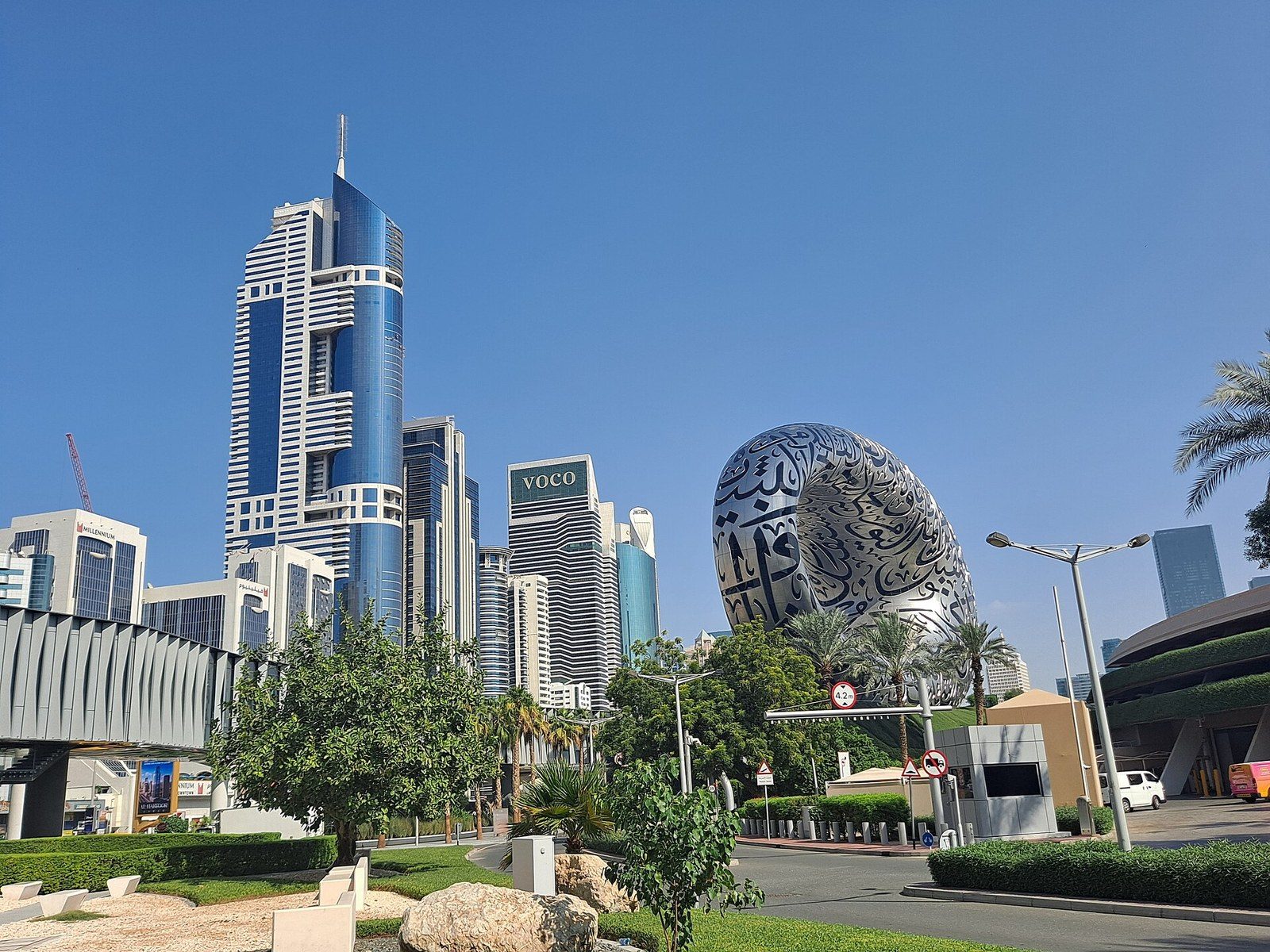
On Sheikh Zayed Road, the Museum of the Future opened on 22 February 2022. Its seven-storey silver ellipse is hollow in the middle and wrapped in Arabic calligraphy in the Thuluth script, designed by the Emirati artist Mattar bin Lahej. Seen from the street, it looks like no other building in the city.
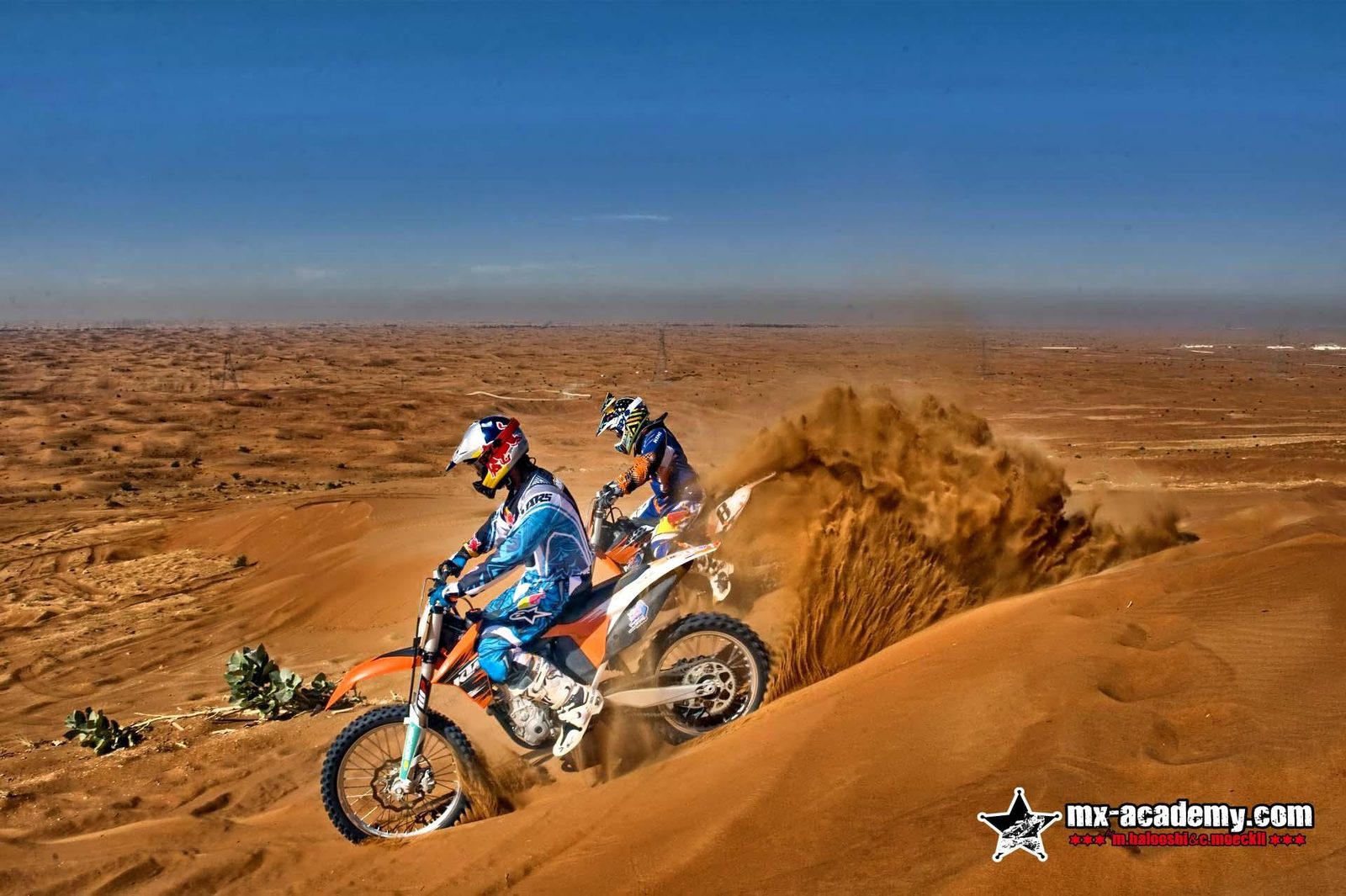
MX-Academy Dubai
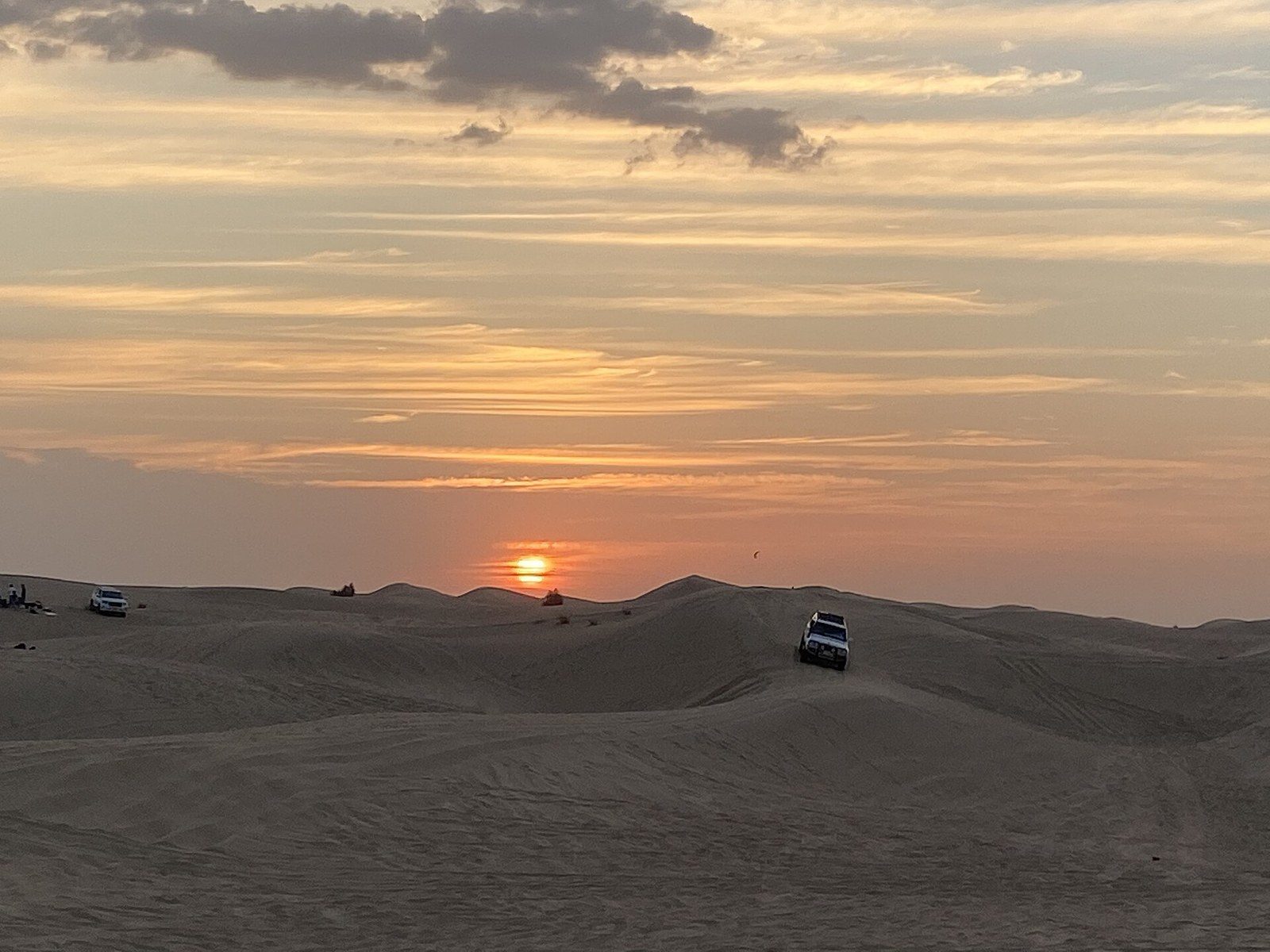
In a 4x4, on a quad or in a buggy you see the desert – on a motocross bike you ride it. MX-Academy Dubai, the school of Chris Möckli and Mohammed Al Balooshi, takes you into the dunes on a guided desert ride in Dubai.
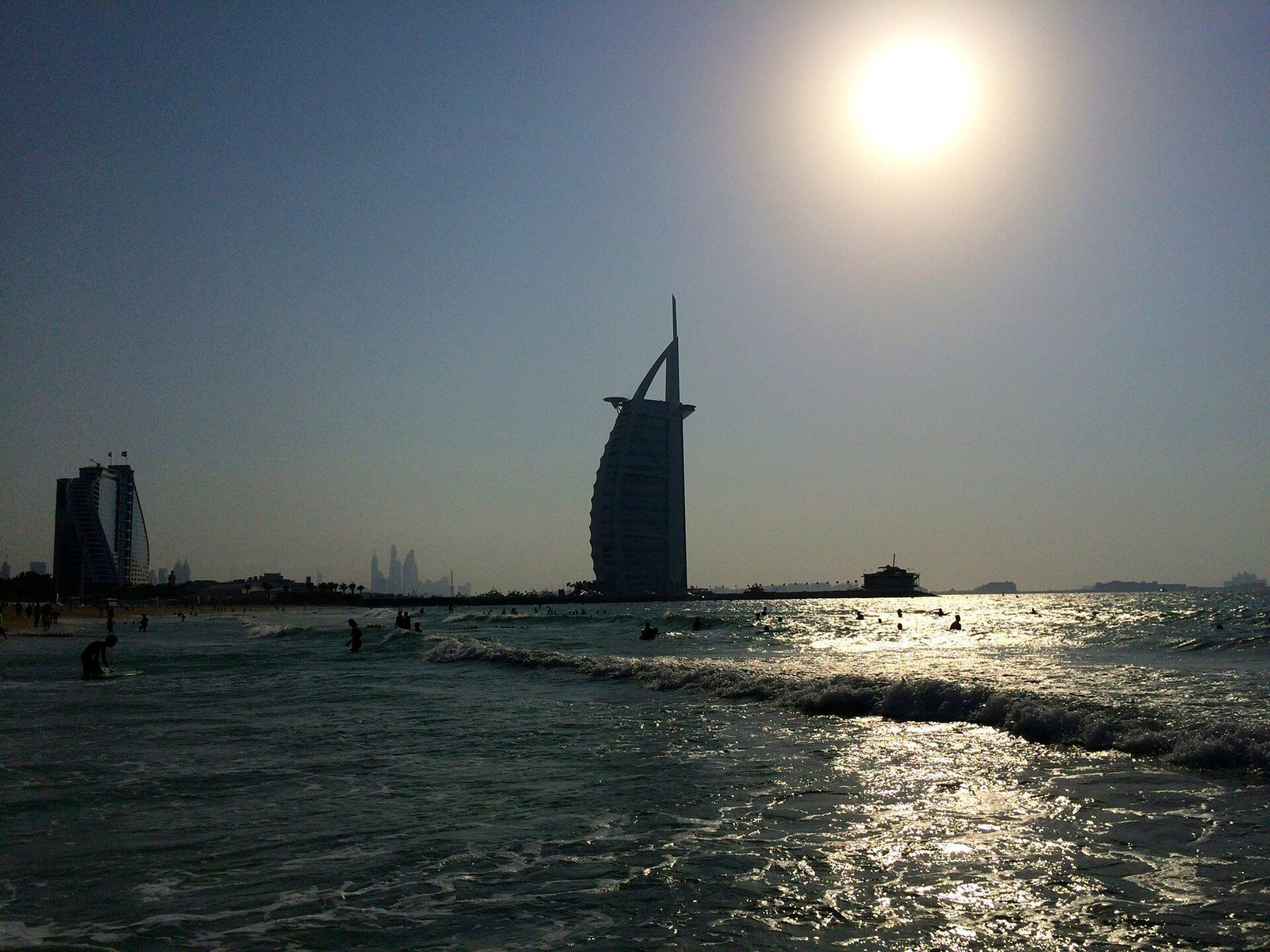
The Burj Al Arab was designed to resemble the sail of a dhow. It stands on an artificial island about 280 metres off Jumeirah Beach, linked to the shore by a private curved bridge. The 321-metre building opened in 1999.
In 2026 the hotel closed for the first full restoration in its history, expected to take about a year and a half, so look up the reopening on Jumeirah's website before planning a visit inside. The outside view never closes: Kite Beach and Sunset Beach in Umm Suqeim both look towards the tower.
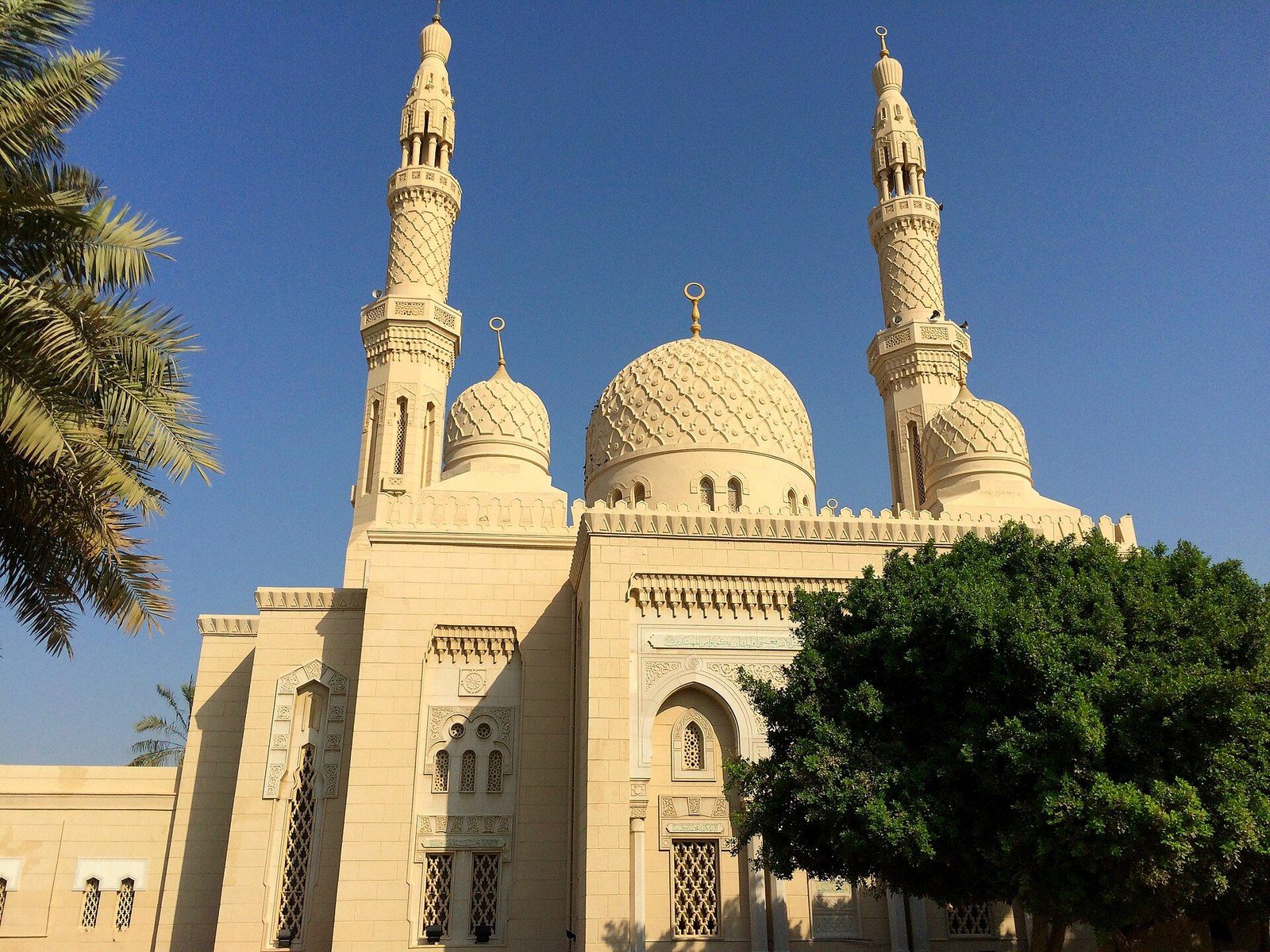
The Jumeirah Mosque, opened in 1979, is one of the few mosques in Dubai that non-Muslims can visit. Visits are run by the Sheikh Mohammed Centre for Cultural Understanding, under the motto 'Open Doors. Open Minds.' You register at the majlis across from the mosque before the visit starts.
During the visit a presenter demonstrates the ritual washing before prayer and then answers your questions about the faith and local culture. Modest clothing is expected, and visitors are welcome to take photographs.
The centre opened in 1998 and is based in the Al Fahidi Historical Neighbourhood, where it also hosts Emirati cultural meals. That makes it easy to combine the mosque with a traditional breakfast and a conversation about local customs.
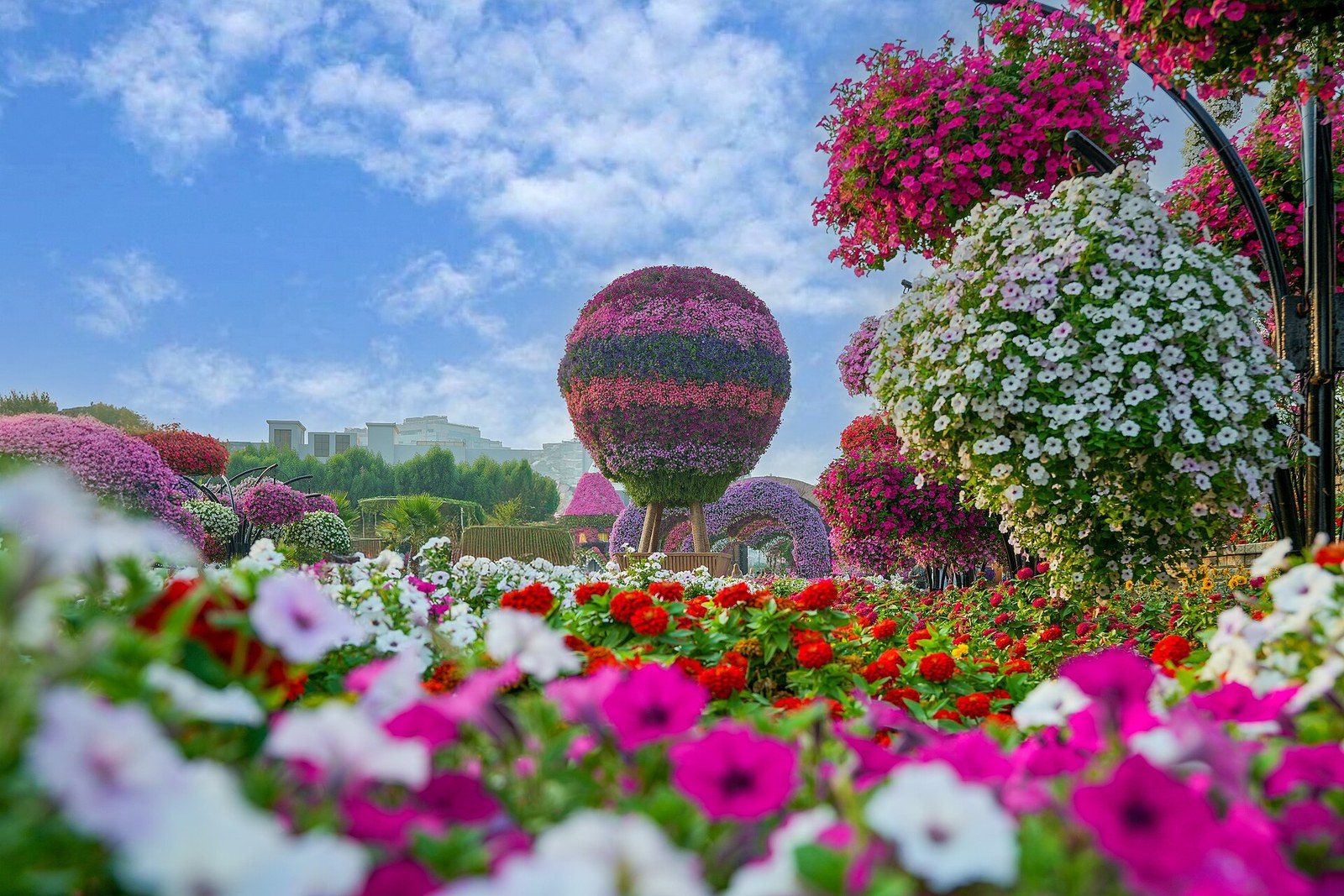
Dubai Miracle Garden in Dubailand opened on Valentine's Day 2013 and shows millions of flowers shaped into houses and other giant structures. Several of its floral displays have set Guinness World Records, among them an Emirates A380 covered in flowers.
The garden closes in the hot summer and opens for a new season each autumn, so check the official website for the current dates. Next door, the air-conditioned Dubai Butterfly Garden stays open even during the summer.
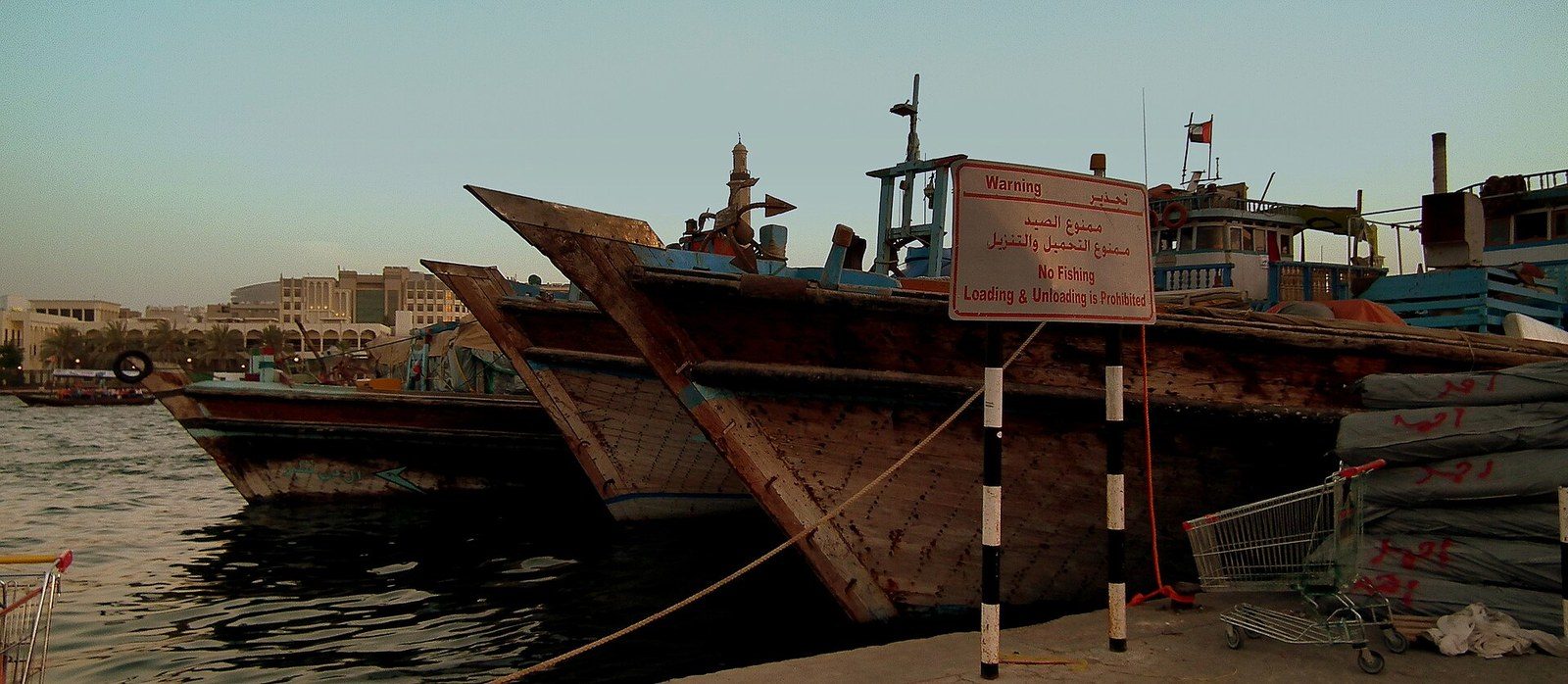
The city grew up as a trading port on Dubai Creek, and wooden dhows still carry goods from its wharves. On the Deira side, the Marasi berths lie near the Spice and Gold Souks, and Dubai Municipality completed the redevelopment of a wharf of about two kilometres in 2025 as part of its work to preserve the Creek's heritage.
To see the boats from the water, dhow cruises leave from Al Seef on the Creek and from Dubai Marina; our overview of top Dubai tours compares the options. For a shorter look at the same waterway, cross the Creek on an abra between Bur Dubai and Deira.
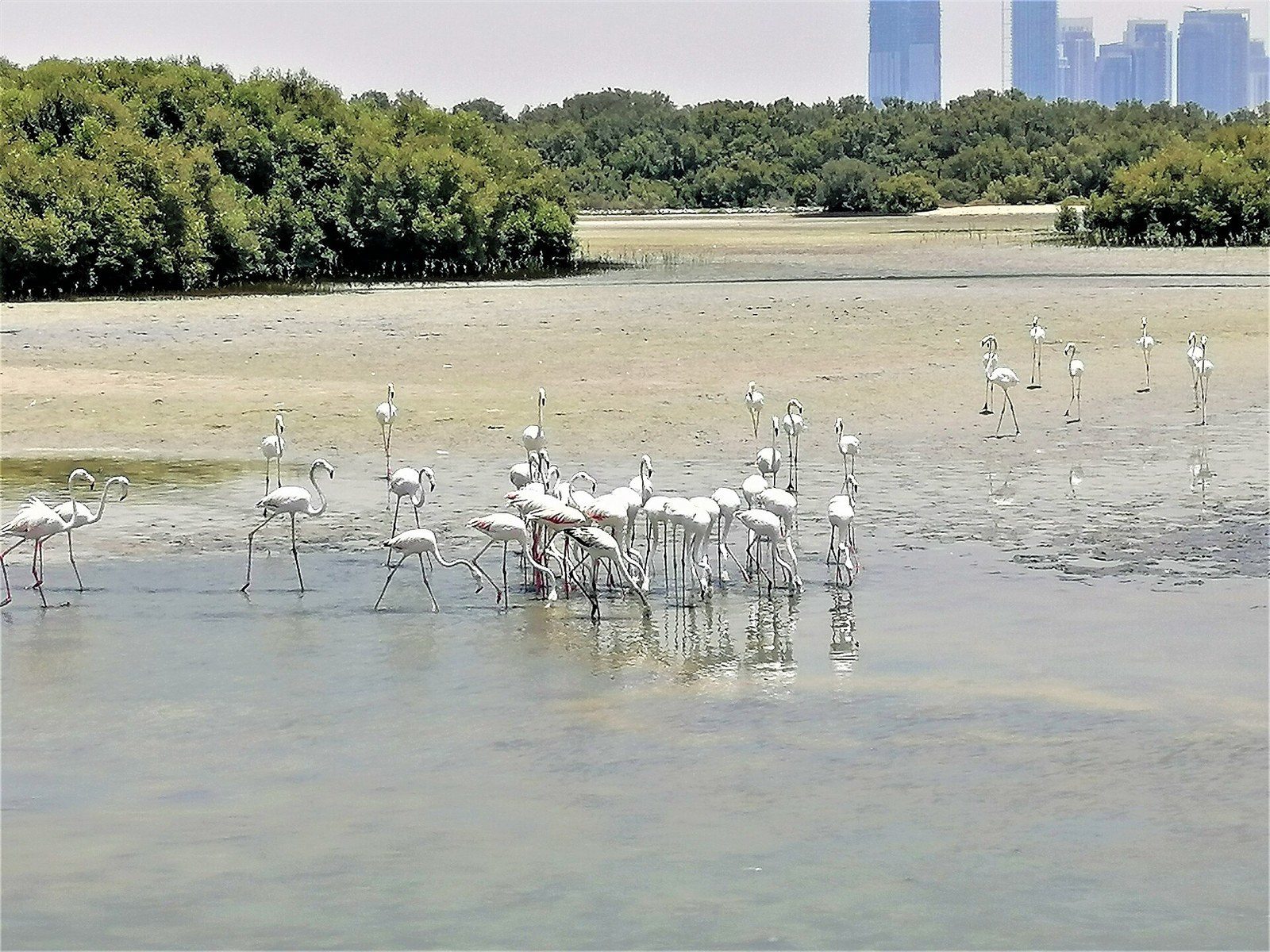
Ras Al Khor Wildlife Sanctuary, a wetland of mangroves, lagoons and salt flats near the city centre, is known for its greater flamingos. Visits to its bird hides are booked through Dubai Municipality, whose booking page shows which hides are open, so check it before you go. Dubai Safari Park, which opens for a new season each autumn, is another place to see wildlife in Dubai.
Beyond the city, the dunes themselves are a sight. You can watch them from a 4x4 on a dune bashing tour, or ride through them on a desert ride with MX-Academy Dubai, guided by motocross and rally riders who know the sand, on a date that suits your trip.
It is 828 metres tall to the roof and became the tallest building in the world when it opened in January 2010.
Yes, on a visit run by the Sheikh Mohammed Centre for Cultural Understanding. You register at the majlis opposite the mosque, and modest clothing is expected.
It is a seasonal garden that opens in autumn and closes during the hot summer months. The official website lists the dates of each season.
From the glass-floored bridge around 150 metres up, you see the historic districts to the north and the modern skyline to the south.
Visits to the bird hides are booked through Dubai Municipality, whose booking page shows which hides are open. The wetland near the city centre is known for its greater flamingos.
Mission: Impossible – Ghost Protocol, released in 2011. In the film Tom Cruise is seen climbing the outside of the tower, secured by cables that were removed digitally afterwards.
Dubai neighbourhoods at a glance
Desert, water, city and day trips
Evenings out, theme parks and dunes